A Seasonal Checklist: What to See in a UK Wetland Month by Month
A month-by-month guide to what to look for on a UK wetland, from spring bitterns and frogspawn through summer dragonflies to winter wildfowl and murmurations.
Half the appeal of a wetland is that it refuses to stay the same. A pool that is a flat sheet of open water in February can be shoulder-high in reed by July, and the birds that came with the water will have moved on somewhere else. Turning up with a rough idea of what the season is offering makes the difference between a pleasant walk and a visit that gives you something to think about on the way home.
What follows is a month-by-month sketch of the year on a British wetland. Treat the timings as loose. A cold spring in the north can delay almost everything by a fortnight, and water levels on any given site depend on rain, tides and how the reserve is being managed. Use it as a starting checklist, then build your own.
January and February: Cold Water, Big Numbers
Midwinter is when a wetland is at its most crowded. Flooded grazing marsh and shallow pools pull in teal, wigeon, shoveler and pintail, often in tight rafts, while whooper swans drop onto wet grassland to graze. On estuaries, look for dunlin and knot packed into roosts, with curlew and grey plover feeding on the mud, and a peregrine or merlin working the edges.
Reedbeds are worth a slow, patient hour. Water rails squeal like small pigs from deep in the stems, bearded tits ping as they flit between seed heads, and bitterns become far easier to see once hard frost starts to close the open water and pushes them to the remaining channels. Starlings gather over reedbeds at dusk, the flocks tightening before they drop. By late February, alder and hazel catkins are open, and in milder south-western sites frogs and toads are already heading for the water.
March and April: The Reedbed Wakes
This is the turning point. Bitterns boom from February into April, a sound that carries further than you expect and is easy to mistake for a distant engine. Marsh harriers display over the reeds, rising, stalling and dropping, sometimes passing food in mid-air. Cetti's warblers burst into song from low scrub, and chiffchaffs, willow warblers and blackcaps arrive in waves.
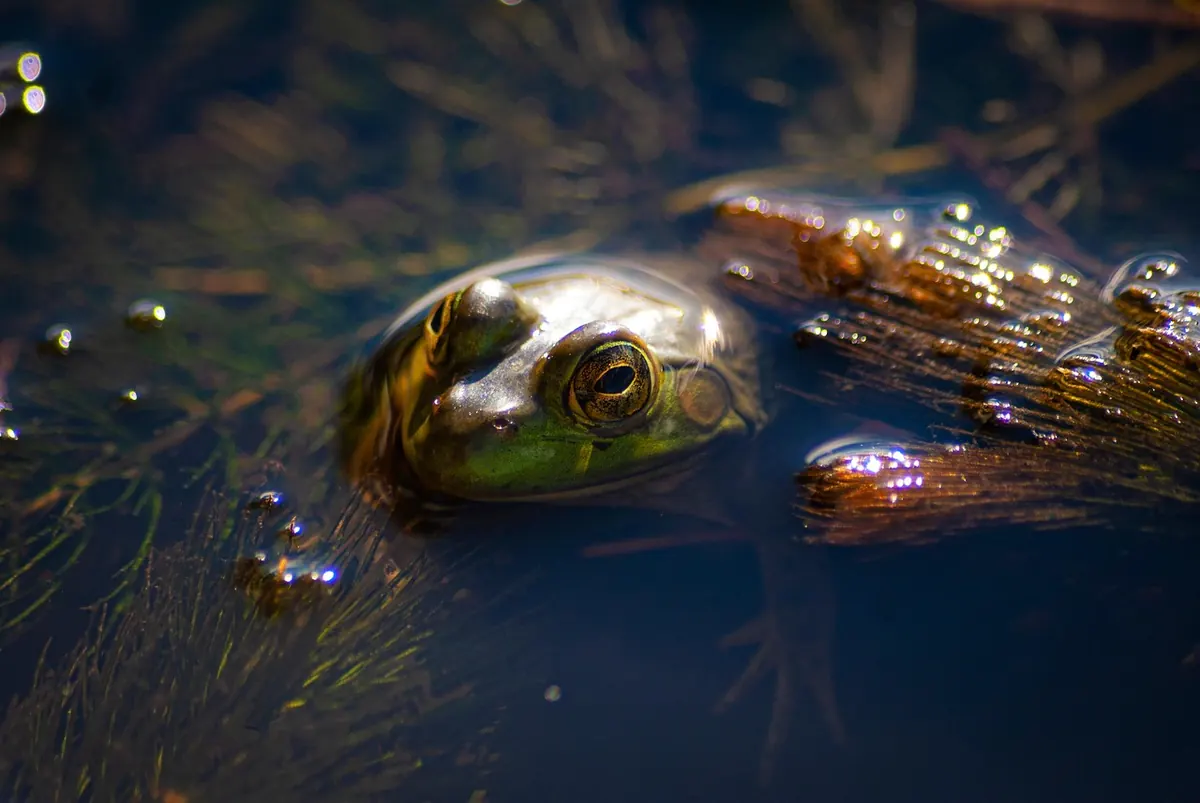
Look down as well as up. Frogspawn appears in gelatinous clumps, toads in long strings, and great crested newts are active in shallow, plant-filled water. On bare mud, coltsfoot flowers before its leaves appear; marsh marigold lights up ditches in golden clumps; cuckooflower and the first yellow iris leaves push through. Sallow catkins on a warm day hum with early bees.
Scrapes and shallow lagoons come alive with passage waders: black-tailed godwit, ruff, spotted redshank, greenshank, little ringed plover and common sandpiper, many in partial summer plumage and worth checking carefully.
May and June: Peak Noise, Peak Colour
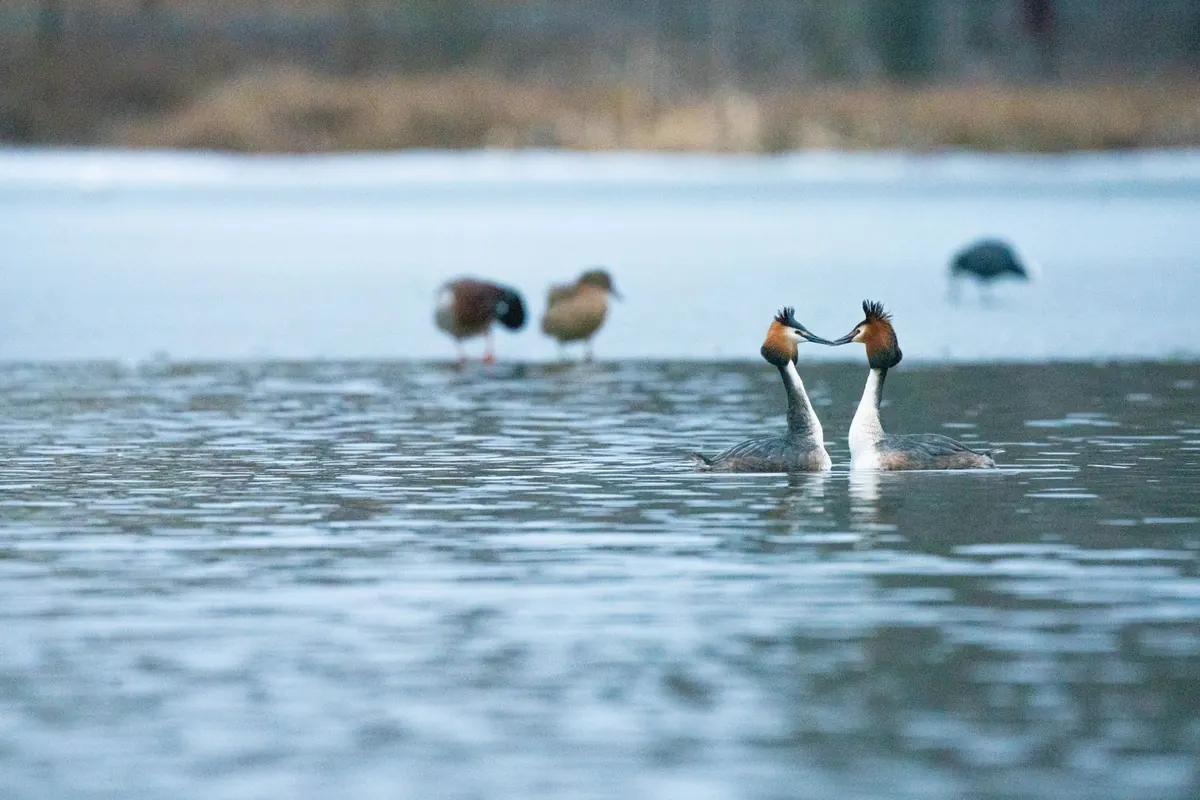
Sedge and reed warblers sing from every edge, grasshopper warblers reel from dense vegetation — heard far more often than seen — and cuckoos call across the site. Hobbies hunt dragonflies over the reedbeds on warm afternoons, great crested grebes carry striped chicks on their backs, and marsh harriers ferry food to nests.
Insects take over. Banded demoiselles flutter along ditches, large red damselflies settle on waterside stems, and by late May the first emperor dragonflies and four-spotted chasers are on the wing. Orange tips and brimstones work the damp grassland. Yellow flag iris, ragged robin, bogbean and early orchids bring the fen into full colour.
A note on nesting
From April to July the margins are working hard. Stay on paths and boardwalks, keep dogs on leads near water and scrub, and resist the urge to push into reeds for a better view. A bird flushed from a nest in cool, wet weather can lose its brood. A hide and patience usually give you more than a shortcut ever will.
July and August: Quieter, If You Look Closer
By July the reedbed often sounds empty. Many birds are moulting, skulking or dispersing, so shift your attention downwards and outwards. Purple loosestrife, hemp agrimony and meadowsweet are thick with hoverflies and bees; brown and southern hawkers patrol the rides; ruddy and common darters perch on warm wood. Grass snakes swim across channels, water voles plop from banks, and otters leave spraint on favoured posts and stones.
Water levels usually fall through August, and the exposed drawdown mud is a gift for passage waders: green and wood sandpipers, greenshank, common sandpiper, little ringed plover, with yellow wagtails picking insects from the margins. If a warm, still spell produces a visible scum on the water, keep dogs and children out and follow any blue-green algae notices on site.
September and October: Movement Everywhere
Autumn is the busiest season for change. Swallows and martins hawk low over the water in the first half of September, then gather on wires before leaving. Warblers filter through scrub and hedges. Wigeon, teal and shoveler return to the pools, pink-footed geese arrive on estuaries and wet grassland, and wader roosts build through October. Hobbies make their last appearances early in the month, while merlins and peregrines start working the flocks.
Fungi appear along wet woodland edges and damp tracks — birch boletes, fly agaric and a host of less obvious species. Look, photograph and move on; leave the fruiting bodies where they are, and never eat anything you cannot identify with complete certainty. By late October, starlings are murmuring over their reedbed roosts again, and dew-soaked spider webs make the margins look drawn in silver.
November and December: Flood and Frost
The water comes back up. Flooded grazing marsh fills with duck, goosander and goldeneye appear on deeper water and gravel pits, and smew turn up at a handful of favoured sites. Water rails skulk along the edges of unfrozen channels, and hard frost concentrates bitterns at the last patches of open water.
Late afternoon is the best hour now. Short-eared owls and hen harriers hunt low over rough, wet grassland as the light goes, and bearded tits come to grit trays and reed tops. Woodcock probe wet woodland, siskins and redpolls feed in alder, and frost patterns on reed stems can be worth a photograph on their own. If a reserve is cutting reed, that is management rather than neglect: it keeps the reedbed from drying out and silting up, and the closed areas should be respected.
Making the Most of Each Visit
- Check the reserve's recent sightings page or ask in the visitor centre before you set off, then aim for the species that is actually showing rather than the one you had in mind.
- Time visits for the first two hours after dawn, or the hour before dusk in winter for roosts and raptors.
- Take wellies, waterproofs and binoculars. From late May to August, add long sleeves and midge repellent.
- Watch the weather: cold easterlies in autumn bring new arrivals, a warm still afternoon brings dragonflies, and a spell of rain raises the water and shifts everything.
- Keep to paths and hides, and keep dogs on leads near water and nesting vegetation. Disturbance costs birds energy they cannot spare.
- Treat water and mud with respect. Do not walk on frozen water or soft margins, keep children close, and obey any site notices about algae or closed areas.
Keep a few notes after each visit — date, weather, water level, what you saw and where. Within a year you will have a personal checklist that beats any general guide, and a much better sense of how a wetland breathes through the seasons.
Photo: Cleverpix / Pixabay